December 19, 2025
Staying ahead of your vehicle's maintenance lifecycle isn't just a best practice—it's an operational imperative for maximizing the longevity, performance, and total value of your investment. When drivers consider optimal ways to future-proof their engines and mitigate downstream repair costs, the cadence of oil changes invariably becomes a core KPI in their maintenance strategy. Yet many vehicle owners still find themselves navigating conflicting information, manufacturer recommendations, and evolving automotive technologies. That's precisely why aligning with the right guidance is essential for sustaining mechanical efficiency and protecting your vehicle's long-term operating model.
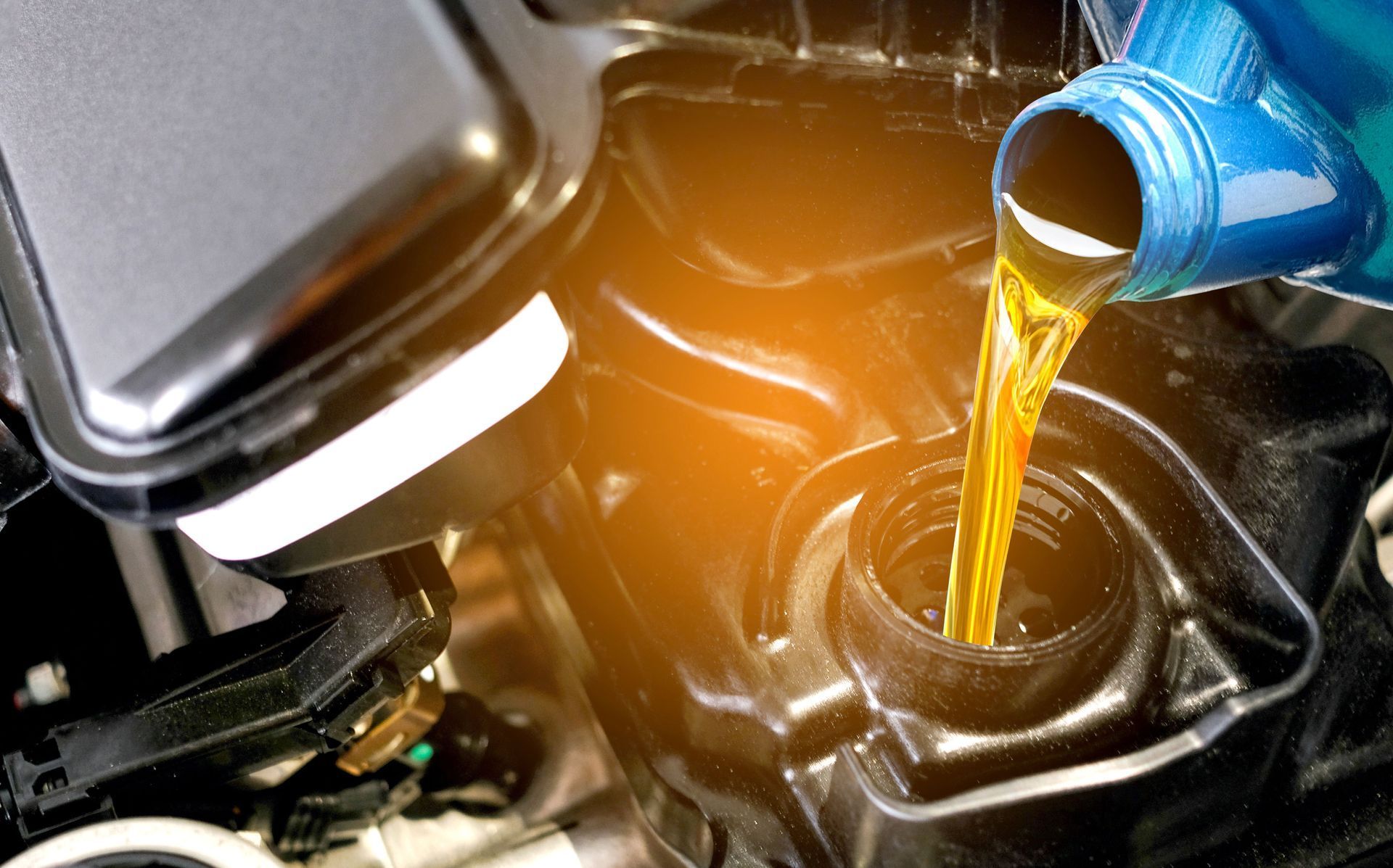
Your engine's oil isn't just a lubricating agent—it's a mission-critical resource responsible for reducing friction, stabilizing temperature distribution, and keeping internal components running within performance benchmarks. When oil breaks down, contaminants accumulate, viscosity declines, and the engine becomes increasingly vulnerable to premature wear. That degradation curve is exactly why adhering to a strategic oil change cycle is indispensable. The question is: what does that cadence look like in today's environment, especially when vehicles vary widely in design, age, mileage, and usage patterns?
To execute against a sound maintenance roadmap, consumers often engage with trusted service providers who can deliver real-time insights and calibrated support. This is where local auto repair shops become indispensable business partners in an owner's ongoing vehicle lifecycle plan. In fact, companies monitoring consumer behavior trends have identified measurable engagement patterns. According to Gitnux, around 39% of U.S. consumers who own a vehicle rely on their local repair shop for oil changes and other routine services. That metric underscores the critical role these service hubs play in keeping drivers informed and their vehicles optimized.
With that baseline established, let's explore how often you should pursue an oil change, why your maintenance timing may fluctuate based on driving behavior, and how an integrated service partnership can streamline your total vehicle wellness strategy.
Understanding When to Schedule an Oil Change
Determining the right oil change interval requires a data-driven perspective that accounts for your vehicle's specifications, your driving habits, your environment, and the type of oil used. Legacy vehicles historically operated under the conventional 3,000-mile guideline, but modern engines and contemporary oil formulations have expanded that window significantly. Many newer models can safely operate between 5,000 and 10,000 miles between oil changes, provided they are running on high-quality synthetic blends and maintained within standard use-case scenarios.
However, these general benchmarks function only as directional indicators. Real-world requirements vary. Drivers who engage in high-load conditions—such as towing, frequent short trips, heavy traffic, or extreme heat—may need more frequent oil changes to stay aligned with optimal performance thresholds. Vehicles that sit unused for long periods may also need accelerated service intervals since oil can degrade over time even without significant mileage accumulation.
In this dynamic scenario, operational alignment with local auto repair shops becomes a strategic asset. These teams can track your vehicle's condition holistically, assess real-time wear indicators, and provide customized maintenance recommendations that outperform generic manufacturer intervals. Through predictive maintenance insights and service history analytics, they help drivers transition from reactive service habits to proactive lifecycle management.
Evaluating the Factors That Influence Oil Change Timing
There is no one-size-fits-all timetable for oil changes because modern vehicle usage patterns vary dramatically. Highway commuters, urban drivers, rideshare professionals, families with multi-driver households, and owners of high-mileage vehicles all generate different operational stress loads on their engines.
For example, a driver who regularly navigates stop-and-go traffic in warmer climates introduces significantly more strain on the engine oil than someone driving mostly on open highways. Similarly, a vehicle that accumulates short-distance trips may never allow the oil to reach the proper operating temperature, accelerating the breakdown cycle. These variables must be accounted for when determining the correct oil change rhythm.
Leveraging guidance from professionals at local auto repair shops offers a competitive advantage here. These specialists have visibility into vehicle behavior patterns, typical performance variances, and environmental factors in your region. They can interpret signals—such as oil color, texture, and consumption rates—that provide hard data on your engine's internal state. This enables a tailored service cadence rooted in the actual demands placed upon your vehicle rather than broad-based estimates.
Identifying the Signs That Indicate an Oil Change Is Due
Even with a structured maintenance framework in place, drivers must remain vigilant for red flags that indicate the engine requires fresh oil sooner than expected. These indicators may include louder-than-usual engine noise, reduced acceleration smoothness, visible exhaust smoke, decreased fuel efficiency, or dashboard alerts signaling service due dates. Any of these operational anomalies can point to oil that has degraded past its optimal functioning threshold.
Because vehicle owners aren't always positioned to interpret these early-stage indicators accurately, partnering with local auto repair shops adds a layer of operational assurance. These providers can offer diagnostic assessments, oil quality tests, digital service reminders, and transparent reporting that empower drivers to stay ahead of maintenance requirements. Their insights ensure that any emerging issues are resolved before they escalate into costly repairs or service disruptions.
Determining How Oil Type Impacts Oil Change Frequency
One of the most influential variables in defining your oil change schedule is the type of oil being used. Traditional conventional oil operates with a shorter lifecycle and may require more frequent replacements. Synthetic oil, by contrast, is engineered for longevity, thermal resilience, and enhanced performance under stress, which extends the service interval window significantly.
Drivers who transition from conventional to synthetic oil typically see measurable improvements in overall engine performance, maintenance predictability, and long-term mechanical reliability. That said, even synthetic oil requires scheduled replacement to avoid performance degradation. With this in mind, working with technicians at local auto repair shops can deliver a fact-based recommendation regarding the best oil type for your specific vehicle, driving patterns, and climate considerations. They can help design a maintenance sequence aligned with both your engine's needs and your long-term ownership goals.
Determining Why Professional Service Matters for Oil Changes
While some drivers attempt to self-manage oil changes, the move toward advanced automotive technologies has made professional service not only beneficial but strategically essential. Modern engines operate with precise tolerances, advanced filtration systems, and integrated electronic monitoring components that require specialized expertise.
Professional oil change services go beyond basic fluid replacement. They include a multi-point inspection process that assesses fluid levels, filters, belts, hoses, tire wear patterns, and overall system health. This integrated approach ensures potential issues are captured early and mitigated before impacting vehicle performance.
This is where the role of local auto repair shops continues to drive measurable value. Their technicians understand the maintenance nuances of both legacy and next-generation vehicles, enabling them to provide elevated service quality. Leveraging their knowledge establishes a consistent operational baseline for your vehicle, helping maintain peak efficiency and extending its long-term lifecycle.
Determining How to Build a Reliable Oil Change Strategy
A strong oil change strategy doesn't rely on guesswork—it's built on structured planning and ongoing evaluation. Start by integrating your manufacturer's recommended mileage intervals as a foundational reference point. Then align those recommendations with personalized insights derived from your driving habits, climate variables, and performance indicators. Next, establish a recurring service cadence with a trusted maintenance partner who can provide consistent oversight, maintenance documentation, and diagnostic reviews.
This strategic alignment transforms oil changes from a reactive task into a value-driven maintenance model that supports long-term engine health. Drivers who adopt this approach experience fewer repair incidents, enhanced operational confidence, and a streamlined ownership experience. If you're looking for a local auto repair shop, contact Performance Specialties today.